दाल फ़रा (Dal Fara): यूपी-बिहार का देसी, हल्का और पेट भरने वाला स्नैक
दाल फ़रा (Dal Fara) उत्तर प्रदेश और बिहार में पीढ़ियों से बनाया जाने वाला एक ऐसा स्नैक है, जो स्वाद में जितना सिंपल लगता है, असल में उतना ही पौष्टिक, हल्का और घर का देसीपन लिए होता है। खास बात यह है कि इसमें तेल की मात्रा बहुत कम होती है, पकाने का तरीका ज्यादातर भाप पर निर्भर करता है, और इसमें चना दाल व चावल के आटे का मेल शरीर को लंबे समय तक एनर्जी देता है। आज के समय में जहां लोग हेल्दी विकल्प ढूँढते रहते हैं, वहां दाल फ़रा (Dal Fara) बिना झंझट वाला, जल्दी बनने वाला और घर के हर उम्र के सदस्य को पसंद आने वाला विकल्प है।
इसकी भराई में दाल का कच्चा स्वाद नहीं आता, और चावल के आटे से बनी बाहरी परत सॉफ्ट रहते हुए भी एक बढ़िया बाइंडिंग देती है। इसे सादा भी खाया जा सकता है और चाहें तो हल्का तड़का लगाकर कुरकुरापन भी दिया जा सकता है। कुल मिलाकर, यह रेसिपी सरल है, लेकिन इसमें सही टेक्सचर और सही बाँध पाने के लिए थोड़ी समझ ज़रूरी होती है, और यही इस रेसिपी में बताया गया है, ताकि आपका दाल फ़रा (Dal Fara) हर बार एकदम परफेक्ट तैयार हो।
दाल फ़रा (Dal Fara) के लिए सामग्री
स्टफिंग की सामग्री
- 1 कप भीगी हुई चना दाल (3–4 घंटे भीगाना बेहतर)
- 1 इंच अदरक
- 3–4 हरी मिर्च
- 4–5 लहसुन की कलियाँ
- ½ कप हरा धनिया
- 1 चम्मच जीरा
- स्वादानुसार नमक
आटा बनाने की सामग्री
- 1 कप चावल का आटा
- 1½ कप पानी
- स्वादानुसार नमक
तड़के के लिए (Optional)
- 1 चम्मच तेल
- ½ चम्मच राई
- ½ चम्मच जीरा
- एक चुटकी हींग
- थोड़ा-सा हरा धनिया
दाल फ़रा (Dal Fara) बनाने की विधि
सबसे पहले भीगी हुई चना दाल को छानकर हल्का सा सूखने देते हैं, ताकि पीसते समय इसमें अतिरिक्त नमी न आए। अब इसे मिक्सर में डालते हैं, लेकिन ध्यान यही रखना होता है कि इसे बिल्कुल महीन पेस्ट नहीं बनाना है। एक–दो पल्स देने के बाद मिक्सर खोलकर जांचें कि दाल दानेदार है या नहीं। अब इसमें कद्दूकस किया हुआ अदरक, बारीक कटी हरी मिर्च, थोड़ा लहसुन, हरा धनिया और जीरा मिलाते हैं।
नमक स्वादानुसार डालकर पूरे मिश्रण को चम्मच से अच्छे से मिला लेते हैं। इस स्टेप में हाथों से मिलाना ज़्यादा अच्छा रहता है, क्योंकि दाल का घनापन महसूस होता है और आप समझ पाते हैं कि दाल ढीली है या बिल्कुल परफेक्ट। अगर दाल बहुत चिकनी लग रही है, तो फरे में भरते समय यह बाहर आ सकती है, इसलिए दरदरापन ज़रूरी है। अब चावल के आटे वाली बाहरी परत तैयार करते हैं।
इसके लिए एक बर्तन में पानी गरम करें और उसमें थोड़ा नमक मिलाएं। जब पानी हल्का उबलने लगे, तब इसमें चावल का आटा धीरे-धीरे डालते हुए लगातार चलाते रहें। इसमें जल्दबाज़ी नहीं करनी चाहिए, वरना गांठें बन जाती हैं। कुछ मिनट में मिश्रण गाढ़ा होकर एकसाथ आने लगता है। जब यह पूरी तरह से एक गोले जैसा दिखने लगे, तब गैस बंद कर इसे ऐसे ही छोड़ दें, ताकि यह हल्का गुनगुना हो जाए।
चावल के आटे को बहुत ज्यादा ठंडा होने तक नहीं छोड़ना चाहिए, क्योंकि ठंडा होने पर यह सख्त हो जाता है और गूँथने में दरारें आने लगती हैं। जब यह हाथों से पकड़ने लायक तापमान पर आ जाए, तब इसे अच्छी तरह गूँथते हैं। आटा चिकना हो और उसमें दरारें न हों, तभी वह भराई को अच्छे से संभाल पाएगा। अब आता है फरे आकार देने का स्टेप, जो देखने में आसान लगता है, लेकिन पहली बार करने वालों को थोड़ी प्रैक्टिस की ज़रूरत होती है।
आटे का एक छोटा सा टुकड़ा तोड़कर हथेलियों के बीच हल्का सा दबाते हैं और उसे लम्बे या अंडाकार आकार में फैलाते हैं। मोटाई बिल्कुल समान होनी चाहिए, बहुत पतला करेंगे तो भराई बाहर आ जाएगी, मोटा करेंगे तो स्टीमिंग में पकने में समय लगेगा। अब बीच में दाल की भराई रखते हैं। ओवरफिलिंग सबसे आम गलती है, जिससे फरे स्टीम में फट जाते हैं।
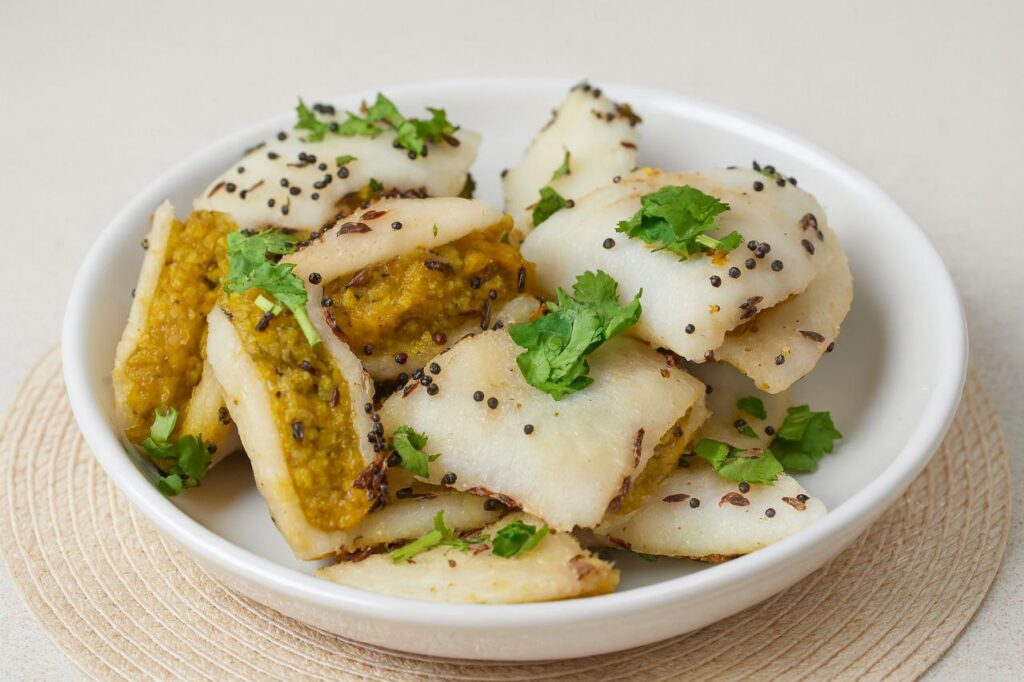
अब इन्हें स्टीम करने की बारी आती है। स्टीमर तैयार करें और प्लेट को हल्का सा तेल लगा लें, ताकि फरे नीचे चिपकें नहीं। सभी फरे थोड़ी दूरी पर रखें, क्योंकि पकते समय ये हल्के फूलते हैं। ढक्कन लगाकर मध्यम आंच पर लगभग बीस मिनट स्टीम करते हैं। बीस मिनट बाद ढक्कन खोलकर देखें, चावल के आटे की परत थोड़ा पारदर्शी और मुलायम दिखाई देगी। उंगली से हल्का सा दबाने पर वे स्पंजी महसूस होते हैं, जो सही पकने का संकेत है।
अगर तड़के वाला स्वाद पसंद है, तो स्टीम किए हुए फरे को ठंडा होने पर बीच से काट लें। एक पैन में थोड़ा तेल गर्म करें, राई डालें, जीरा डालें, हल्की सी हींग डालें और फिर कटे हुए फरे को डालकर धीमी आँच पर हल्का सा सेंक लें। इस स्टेप में सिर्फ़ दो–तीन मिनट ही लगते हैं, लेकिन स्वाद पूरी तरह बदल जाता है, बाहर हल्की कुरकुरी परत और अंदर नरम दाल का स्वाद दोनों एक साथ आता है।
अब ऊपर से ताज़ा हरा धनिया डालें और गरम-गरम परोसें। चाहे दही के साथ, चाहे सादा, दाल फ़रा (Dal Fara) हमेशा satisfying लगता है, खासकर जब इसे अच्छे से, प्यार से और बिना जल्दबाज़ी के बनाया जाए।
दाल फ़रा (Dal Fara) के लिए टिप्स
- चना दाल को पर्याप्त समय तक भिगोकर रखें, ताकि पीसते समय वह स्मूद और आसान रहे।
- भराई में पानी बिल्कुल भी न डालें वरना वह बहने लगेगी।
- चावल के आटे को पकाते समय लगातार चलाते रहें ताकि गांठ न बने।
- आटा गूँथते समय इसे सॉफ्ट रखें, सख्त आटा होने पर फरे को फटने का डर रहता है।
- भराई भरते समय किनारों को अच्छी तरह दबाएं ताकि स्टीमिंग में गड़बड़ न हो।
- स्टीम करते समय फरे को आपस में चिपकने न दें, थोड़ा-थोड़ा फासला रखें।
- तड़का वैकल्पिक है, लेकिन लगाने पर स्वाद और सुगंध काफी बढ़ जाती है।
- कटे हुए फरे को हल्का सा सेंक भी सकते हैं, इससे इनमें बढ़िया कुरकुरापन आता है।
निष्कर्ष
दाल फ़रा (Dal Fara) एक देसी, पौष्टिक और हल्का स्नैक है, जिसकी खासियत सरल सामग्री और हेल्दी पकाने की विधि में छिपी है। सही भराई, सही आटा और सही स्टीमिंग के साथ यह रेसिपी हर बार परफेक्ट बनती है। चाहे रोज़मर्रा के खाने में शामिल करें या खास मौकों पर, इसका स्वाद हमेशा दिल जीत लेता है।
Dal Fara Recipe in English
Dal Fara is a snack that has been made for generations in Uttar Pradesh and Bihar. It seems simple in taste, but in reality, it is just as nutritious, light, and carries the homely desi essence. The special thing is that it uses very little oil, the cooking method mostly depends on steaming, and the combination of chana dal and rice flour provides long-lasting energy to the body. In today’s time where people keep looking for healthy options, Dal Fara is a hassle-free, quick-to-make option that is liked by every age group at home.
The stuffing does not have the raw taste of dal, and the outer layer made of rice flour remains soft yet provides a good binding. It can be eaten plain, and if you want, you can give it crispiness by adding a light tempering. Overall, the recipe is simple, but to achieve the right texture and binding, a bit of understanding is necessary, and that’s what is explained in this recipe, so that your Dal Fara turns out perfect every single time.
Ingredients for Dal Fara
Ingredients for stuffing
- 1 cup soaked chana dal (soak for 3–4 hours for best results)
- 1 inch ginger
- 3–4 green chilies
- 4–5 garlic cloves
- ½ cup coriander leaves
- 1 teaspoon cumin
- Salt to taste
Ingredients for dough
- 1 cup rice flour
- 1½ cup water
- Salt to taste
For tempering (optional)
- 1 teaspoon oil
- ½ teaspoon mustard seeds
- ½ teaspoon cumin seeds
- A pinch of asafoetida
- Some coriander leaves
How of Make Dal Fara
First, drain the soaked chana dal and let it dry slightly so that there is no extra moisture while grinding. Now add it to a mixer, but make sure not to grind it into a fine paste. After giving one or two pulses, open the mixer and check if the dal is coarse. Now add grated ginger, finely chopped green chilies, a little garlic, coriander leaves, and cumin. Add salt to taste and mix well with a spoon. Mixing with hands is better at this stage because you can feel the texture and understand whether the dal is loose or perfect. If it feels too smooth, it may spill out while filling, so coarseness is necessary.
Now prepare the outer layer of rice flour. Heat water in a pan and add a little salt. When the water starts to simmer, gradually add the rice flour while stirring continuously. Do not rush this step, otherwise lumps will form. In a few minutes, the mixture becomes thick and comes together. When it turns into a dough-like ball, turn off the heat and let it sit until lukewarm. Do not let the dough become too cold because it will harden and crack while kneading. When it reaches a temperature you can handle, knead it well. The dough must be smooth and without cracks so it can hold the stuffing properly.
Now comes the step of shaping the fara, which looks easy but requires some practice for first-timers. Break a small piece of dough, press it gently between your palms, and shape it into a long or oval sheet. The thickness must be even, too thin and the stuffing will come out, too thick and it will take longer to steam. Now place the dal stuffing in the center. Overfilling is the most common mistake that causes faras to break while steaming.
Now it’s time to steam them. Prepare the steamer and grease the plate lightly so the faras don’t stick. Place all faras with some space between them, as they puff slightly while cooking. Cover and steam them on medium heat for about twenty minutes. After twenty minutes, open the lid, the rice-flour layer will look slightly translucent and soft. Press lightly with a finger, if they feel spongy, they are perfectly cooked.
If you prefer a tempering-flavored version, cut the steamed faras after they cool slightly. Heat a little oil in a pan, add mustard seeds, cumin, a pinch of asafoetida, and then add the cut faras. Roast them lightly on low flame for 2–3 minutes. This step completely changes the taste, you get a light crisp layer outside and soft dal flavor inside.
Garnish with fresh coriander and serve hot. Whether with curd or plain, Dal Fara always feels satisfying, especially when made with care, patience, and without rushing.
Tips for Dal Fara
- Soak chana dal for enough time so that grinding becomes easier and smoother.
- Do not add any water to the stuffing; otherwise, it will start to leak.
- Stir continuously while cooking rice flour so that no lumps form.
- Keep the dough soft; if it becomes hard, the fara may crack while shaping.
- While filling, press the edges properly so they don’t open while steaming.
- Do not let the faras stick to each other while steaming; leave some space.
- Tempering is optional, but it greatly enhances the taste and aroma.
- You can lightly roast the cut faras, it gives a good crisp texture.
Conclusion
Dal Fara is a desi, nutritious, and light snack whose specialty lies in its simple ingredients and healthy cooking method. With the right stuffing, right dough, and proper steaming, this recipe turns perfect every time. Whether you include it in daily meals or make it for special occasions, its taste always wins hearts.
FAQs – दाल फ़रा (Dal Fara) से जुड़े सवाल
Q1. मेरे दाल फ़रा (Dal Fara) स्टीम करते समय फट जाते हैं, इसका कारण क्या है?
अधिकतर ऐसा तब होता है जब आटे की परत बहुत पतली होती है या भराई जरूरत से ज़्यादा गीली होती है। किनारे ठीक से बंद न हों तो स्टीम में प्रेशर बढ़ते ही फरा खुल जाता है। अगली बार आटा थोड़ा सॉफ्ट रखें और भरते समय किनारों को अच्छी तरह जोड़कर दबाएं।
Q2. भराई बहुत सूखी या बहुत गीली हो जाती है, इसे कैसे सँभालें?
अगर भराई बहुत सूखी है तो फरे में बाइट अच्छा आएगा, लेकिन यह एकसमान फैल नहीं पाएगी। और अगर ज़्यादा गीली है तो यह पकते समय बाहर निकल सकती है। दाल पीसते समय बस इतना ध्यान रखें कि वह दानेदार हो, और पानी बिलकुल न डाला जाए, यही बैलेंस उसे परफेक्ट बनाता है।
Q3. स्टीम होने के बाद मेरे दाल फ़रा (Dal Fara) सख्त हो जाते हैं, ऐसा क्यों?
यह तब होता है जब आटा ठीक से नहीं गूँथा गया हो या बहुत देर स्टीम किया हो। चावल के आटे को पकाने के बाद गुनगुना रहते ही गूँथना जरूरी है, तभी उसमें स्मूथनेस आती है। ओवर-स्टीमिंग से भी परत सूखकर सख्त हो जाती है, इसलिए टाइमिंग का ध्यान रखें।
Q4. दाल फ़रा (Dal Fara) का आकार देते समय आटा टूटता है, इसे कैसे रोका जाए?
आटा टूटना इस बात का संकेत है कि वह या तो ठंडा हो गया है या ठीक से गूँथा नहीं गया। चावल का आटा हमेशा गर्म अवस्था में ज्यादा स्मूथ बनता है। अगली बार थोड़ा-थोड़ा पानी लगाकर इसे दो–तीन मिनट अतिरिक्त गूँथें, यह तुरंत मुलायम हो जाएगा।
Q5. स्टीमिंग के दौरान दाल फ़रा (Dal Fara) आपस में चिपक जाते हैं, क्या करें?
जब फरे स्टीमर प्लेट पर बहुत ठूंसकर रखे जाते हैं, तो पकने के दौरान ये फैलते हैं और आपस में जुड़ जाते हैं। हल्का सा तेल प्लेट पर लगा दें और फरे के बीच थोड़ी दूरी रखें, इससे ये आसानी से अलग रहेंगे।
Q6. भराई का कच्चा स्वाद क्यों आता है?
अगर दाल बहुत मोटी पिसी रह जाए या स्टीम का समय कम हो जाए तो अंदर हल्का कच्चा स्वाद महसूस होता है। दाल को दरदरा पीसें लेकिन बहुत बड़े दाने न छोड़ें। और स्टीमिंग में समय पूरा दें, फरे को बीच में चेक करने से भी पकना धीमा हो जाता है।
Q7. क्या दाल फ़रा (Dal Fara) को पहले से बनाकर स्टोर किया जा सकता है?
हाँ, लेकिन तरीका सही होना चाहिए। स्टीम किए हुए फरे को पूरी तरह ठंडा होने दें और एयरटाइट डिब्बे में रखें। फ्रिज में एक दिन आराम से चल जाते हैं। दोबारा खाने से पहले हल्का सा तड़का या धीमी आंच पर सेंकने से यह फिर से फ्रेश जैसे बन जाते हैं।
Q8. तड़का लगाते समय दाल फ़रा (Dal Fara) टूट जाते हैं, इससे कैसे बचें?
तड़के में बहुत ज़ोर से चलाने या हाई फ्लेम पर पकाने से फरे टूट जाते हैं। कटे हुए फरे डालने के बाद बस हल्का सा उछालें, चलाएं नहीं। धीमी आंच और कम तेल उन्हें बाँधकर रखता है और स्वाद भी एकदम बढ़िया आता है।
Lorem ipsum dolor sit amet, consectetur adipiscing elit. Ut elit tellus, luctus nec ullamcorper mattis, pulvinar dapibus leo.